Everything About Oil Field Equipment and Pipeline Equipment: Secret Insights and Important Details
Oil field equipment and pipeline systems play a crucial function in the oil and gas industry. They are vital for the efficient extraction and transportation of hydrocarbons. Key components, such as drilling rigs and storage containers, directly impact operational success. Innovations in technology guarantee to boost security and efficiency. Recognizing these aspects is crucial for anyone included in or thinking about this intricate market, as it sets the phase for deeper expedition of sector methods.
Introduction of Oil Field Equipment
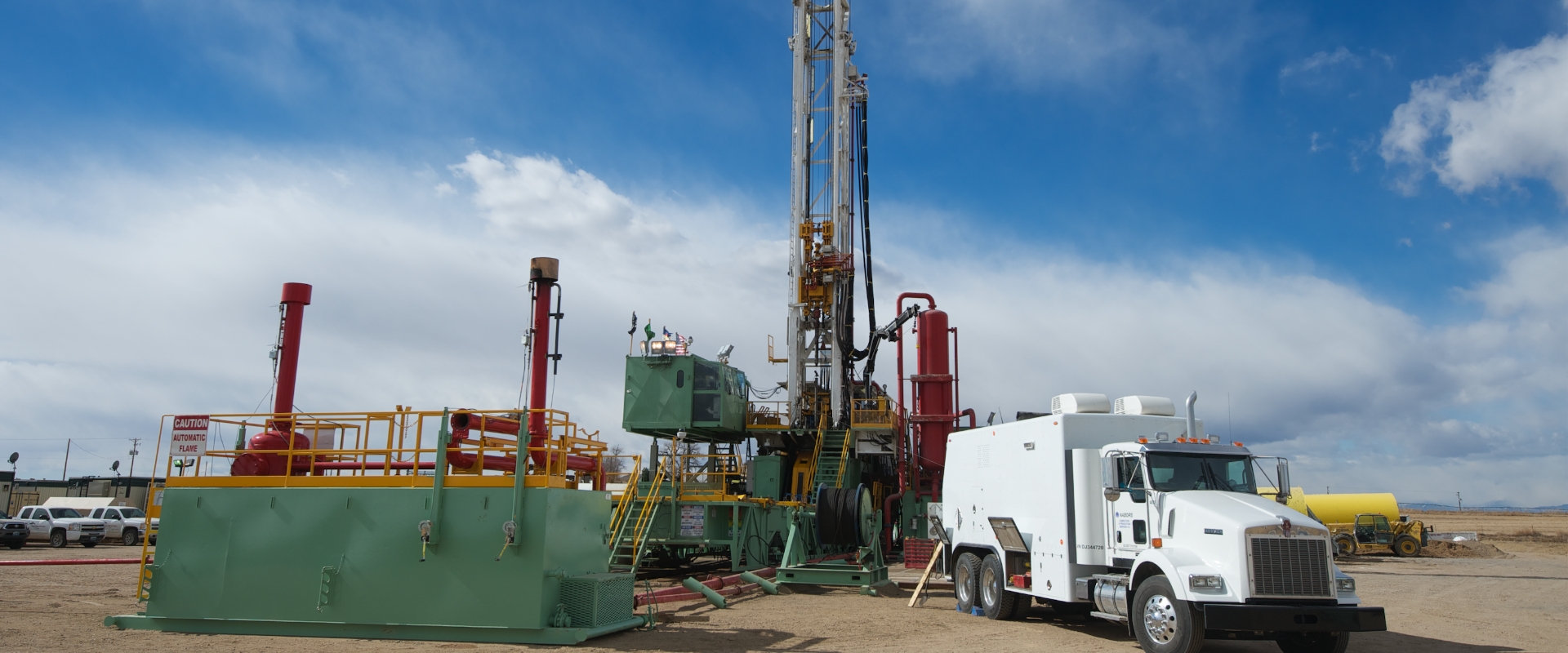
As the need for oil proceeds to expand, understanding the equipment used in oil fields comes to be progressively crucial. Oil field equipment encompasses a large range of equipment and tools important for expedition, removal, and processing. Key parts include drilling rigs, which are important for getting to oil storage tanks, and production tools, such as separators and pumps, that help with the removal procedure. Superior Rentals midland. Additionally, tank play a substantial role in holding petroleum prior to transportation. Safety and security devices, including blowout preventers and stress evaluates, ensures functional safety and security and performance. Each tool features cohesively to optimize manufacturing and preserve effective workflow. Knowledge with this devices is necessary for specialists in the industry to ensure effective operations and adherence to security requirements
Kinds of Drilling Rigs and Their Applications
Drilling rigs function as the foundation of oil removal operations, with numerous types created for details geological conditions and functional demands. The most usual types include rotating exploration rigs, which use a rotating drill bit to penetrate the earth, and cable tool rigs, understood for their percussion drilling technique. For overseas operations, jack-up rigs and semi-submersible rigs offer stability and support in aquatic atmospheres. Additionally, directional exploration rigs allow operators to pierce at angles, reaching deposits that are not up and down easily accessible. Each gear kind has special advantages, maximizing performance and security based upon the exploration environment. Picking the proper rig is essential for optimizing source extraction while lessening environmental impact and functional expenses.

Important Pipeline Equipment and Their Functions
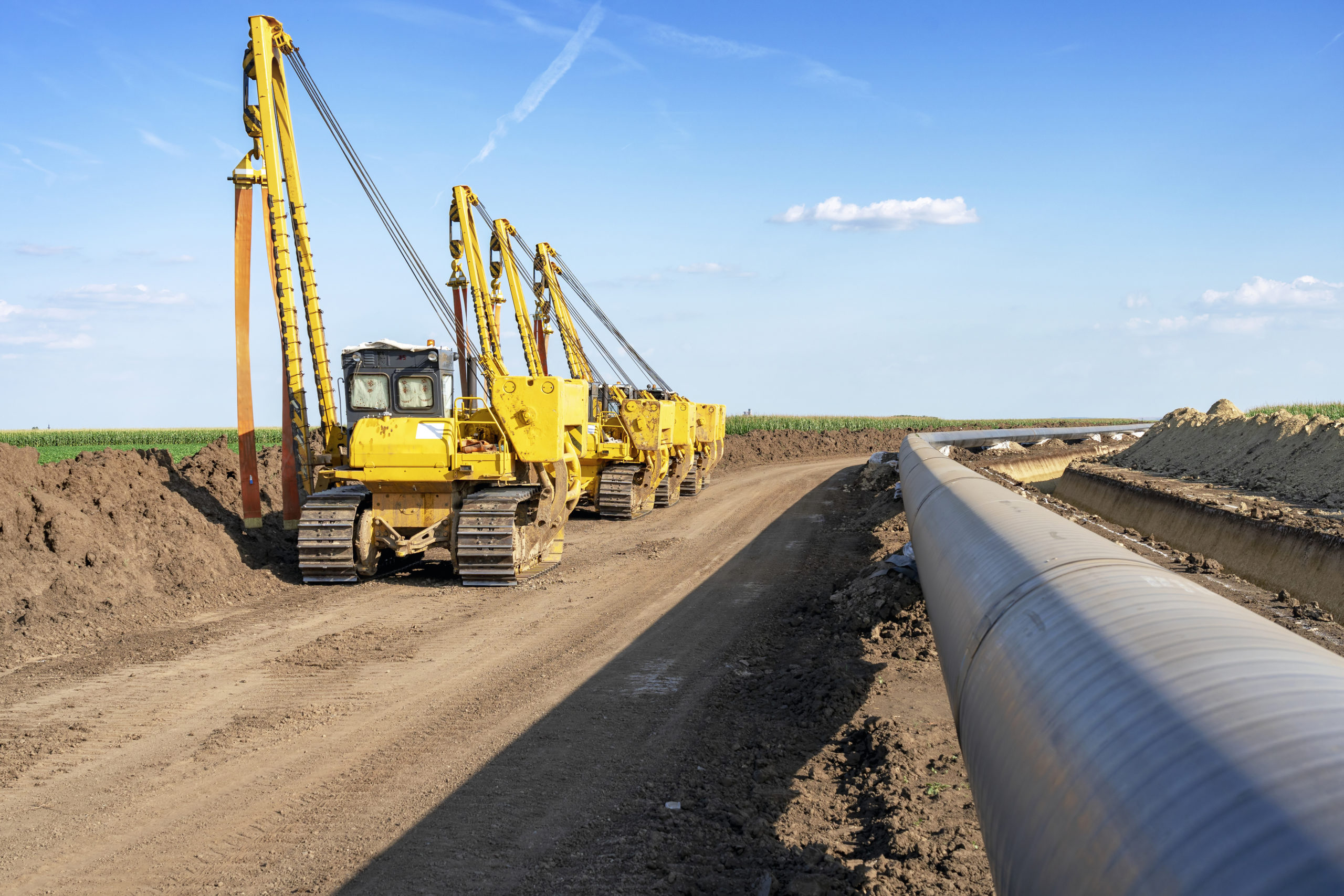
Pipeline infrastructure is important for the transport of oil and gas from removal sites to refining facilities and end-users. Different vital devices parts promote this procedure. Pipelines themselves act as the key avenues, made see page to hold up against high pressure and corrosive compounds. Pump terminals are vital for maintaining circulation by improving pressure along the pipeline. Shutoffs play an essential role in controlling flow and separating sections for maintenance. Furthermore, fittings and connectors ensure safe and secure joints in between pipe sections. Monitoring systems, including circulation meters and pressure sensing units, are vital for finding leakages and enhancing flow prices. Pigging tools is used for upkeep and cleaning, guarding pipeline integrity and performance. With each other, these parts create the foundation of a reputable pipeline system.
Innovations and Technologies in Oil and Gas Equipment
Security and Upkeep Practices in the Oil Market
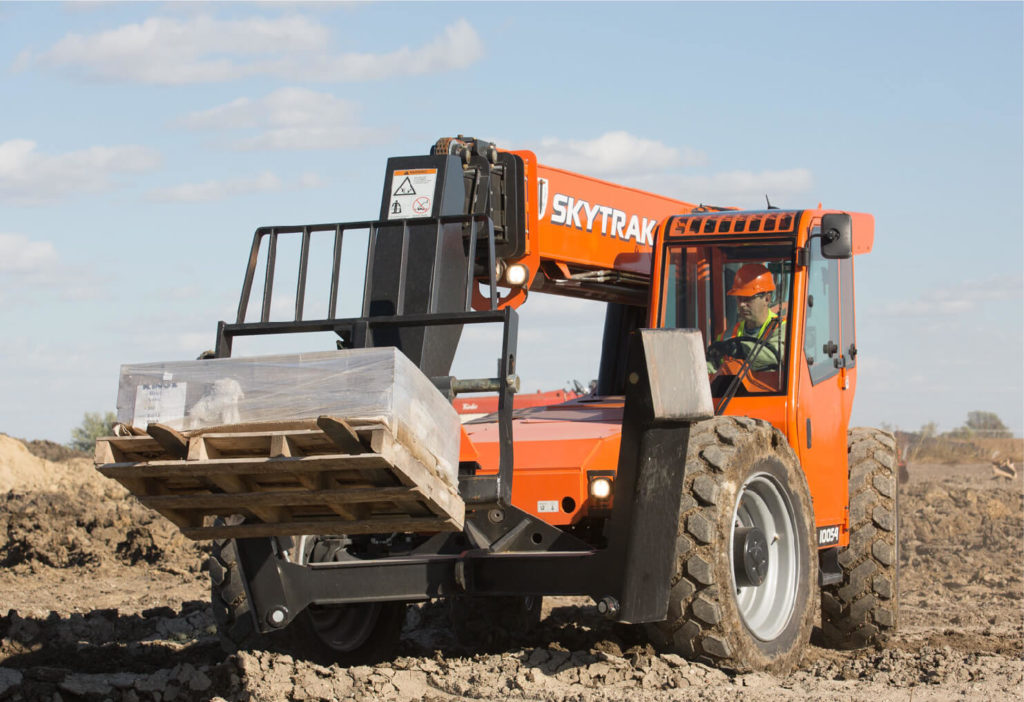
While the oil industry has actually made significant strides in technology and efficiency, the significance of durable safety and maintenance methods can not be overstated. Effective security methods are important to safeguard employees and the atmosphere, lessening the danger of crashes and spills. Normal examinations and upkeep of tools help identify possible issues before they escalate, making sure operational integrity. Training programs for workers are vital, highlighting the relevance of safety and security awareness and emergency situation feedback treatments. In addition, adherence to sector guidelines and requirements promotes a culture of security. Executing sophisticated tracking technologies can additionally boost upkeep practices, enabling real-time assessments of equipment conditions. Inevitably, focusing water line break near me on security and maintenance is integral to the sustainability and success of the oil market.
Regularly Asked Concerns
What Are the Environmental Impacts of Oil Field Equipment?
The ecological influences of oil field equipment include environment devastation, water contamination, and air contamination (Superior Oilfield Rentals Texas). Additionally, tools malfunction can bring about spills, detrimentally impacting wildlife and environments, highlighting the requirement for rigid guidelines and monitoring
Exactly How Is Oil Field Equipment Transported to Remote Locations?
Transporting oil field equipment to remote locations frequently entails customized cars, helicopters, or barges. Logistics firms coordinate courses, guaranteeing devices arrives safely and successfully, thinking about surface and accessibility to lessen hold-ups and take full advantage of performance.
What Governing Standards Govern Oil Field Equipment?
Governing criteria governing oil field equipment mainly consist of safety and security, environmental defense, and operational efficiency guidelines. Agencies such as OSHA Discover More Here and EPA enforce these policies to ensure risk-free methods and minimize environmental effect in oil removal operations.
What Skills Are Needed to Run Oil Area Equipment?
Just How Do Oil Prices Influence Equipment Need and Use?
Oil rates considerably influence devices need and usage. Higher prices commonly cause enhanced expedition and production activities, driving need for equipment. Conversely, lower costs may result in minimized operations and decreased demand for devices.